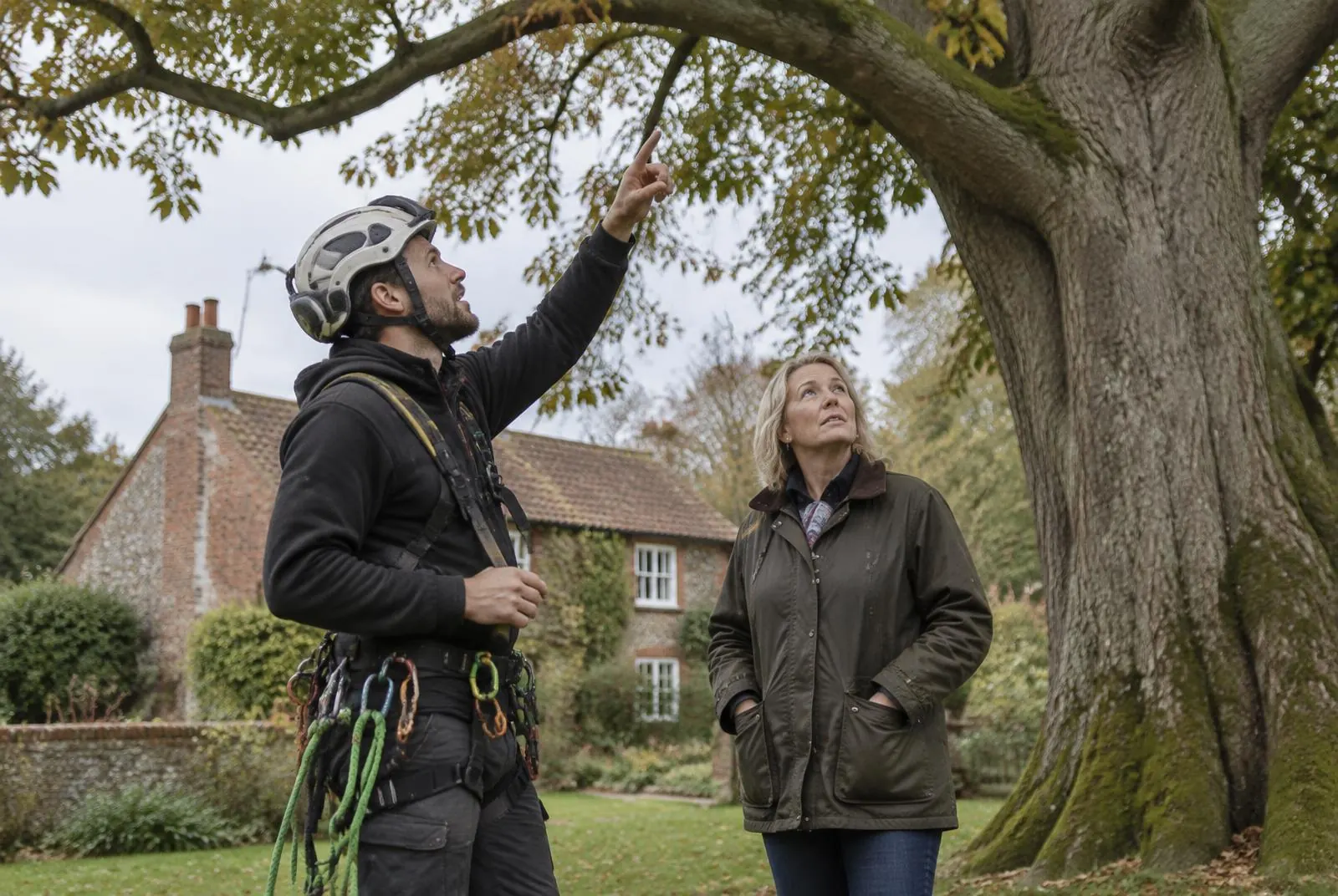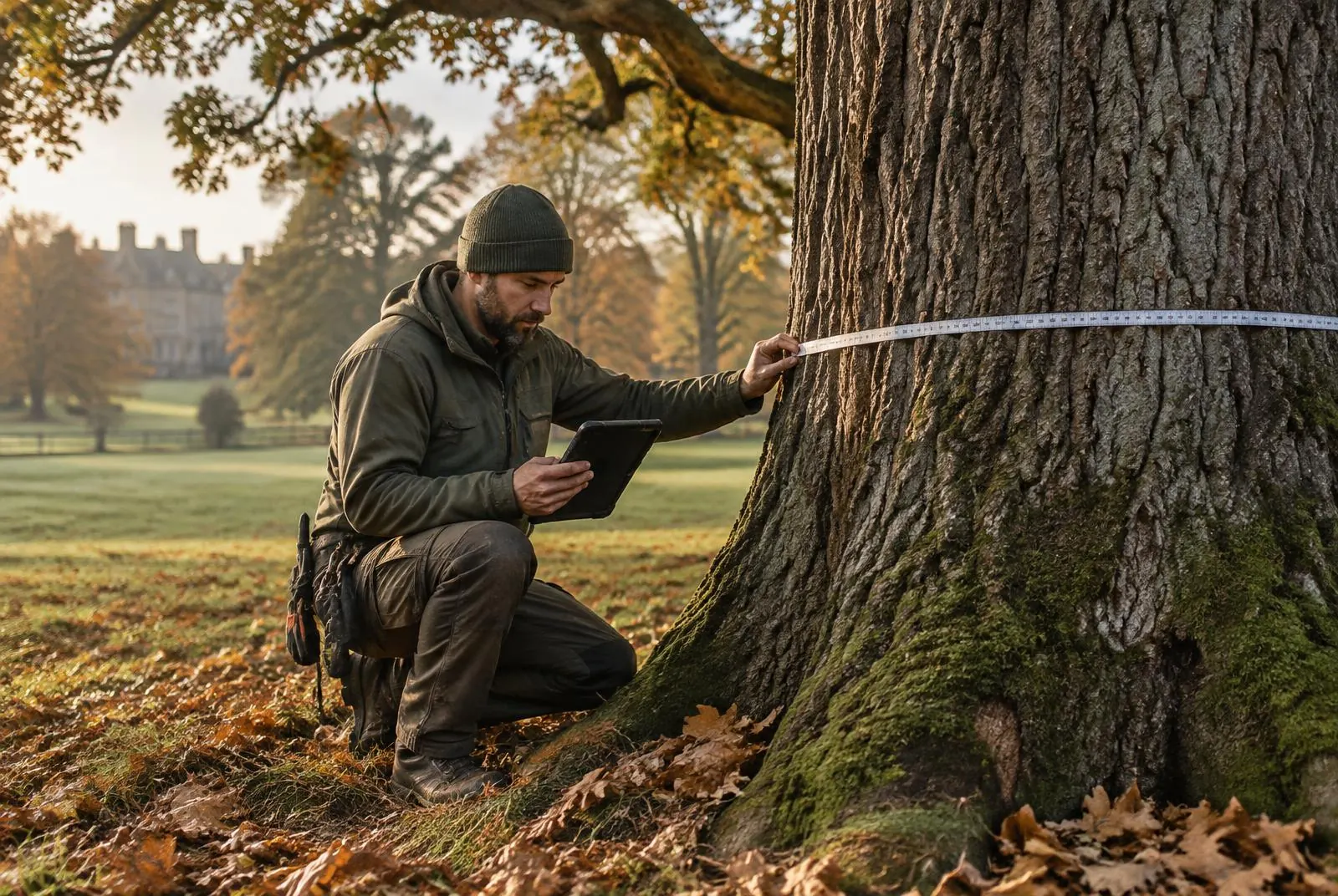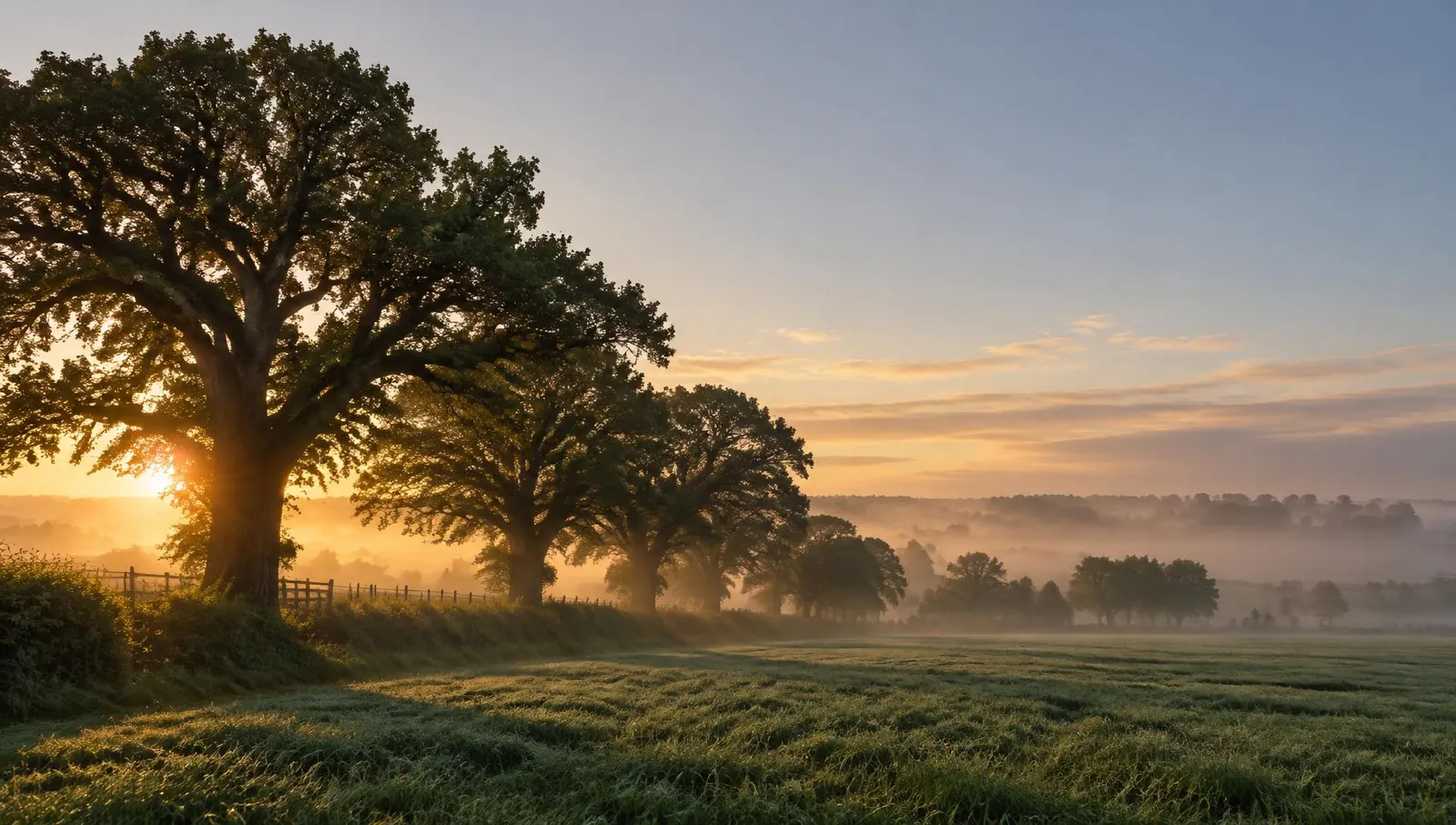
Trees and hedges are homes. Looking after them responsibly means checking who's living there before any work begins, and the law backs this up.
Nesting birds
All wild birds, their nests and eggs are protected by law. It is an offence to intentionally take, damage or destroy the nest of any wild bird while it is in use or being built. The main nesting season broadly runs from March to August, although some birds nest outside it.
That doesn't mean all tree work stops in summer, but it does mean careful checks before cutting, and sometimes rescheduling hedge cutting or heavier work for the autumn and winter.
Bats
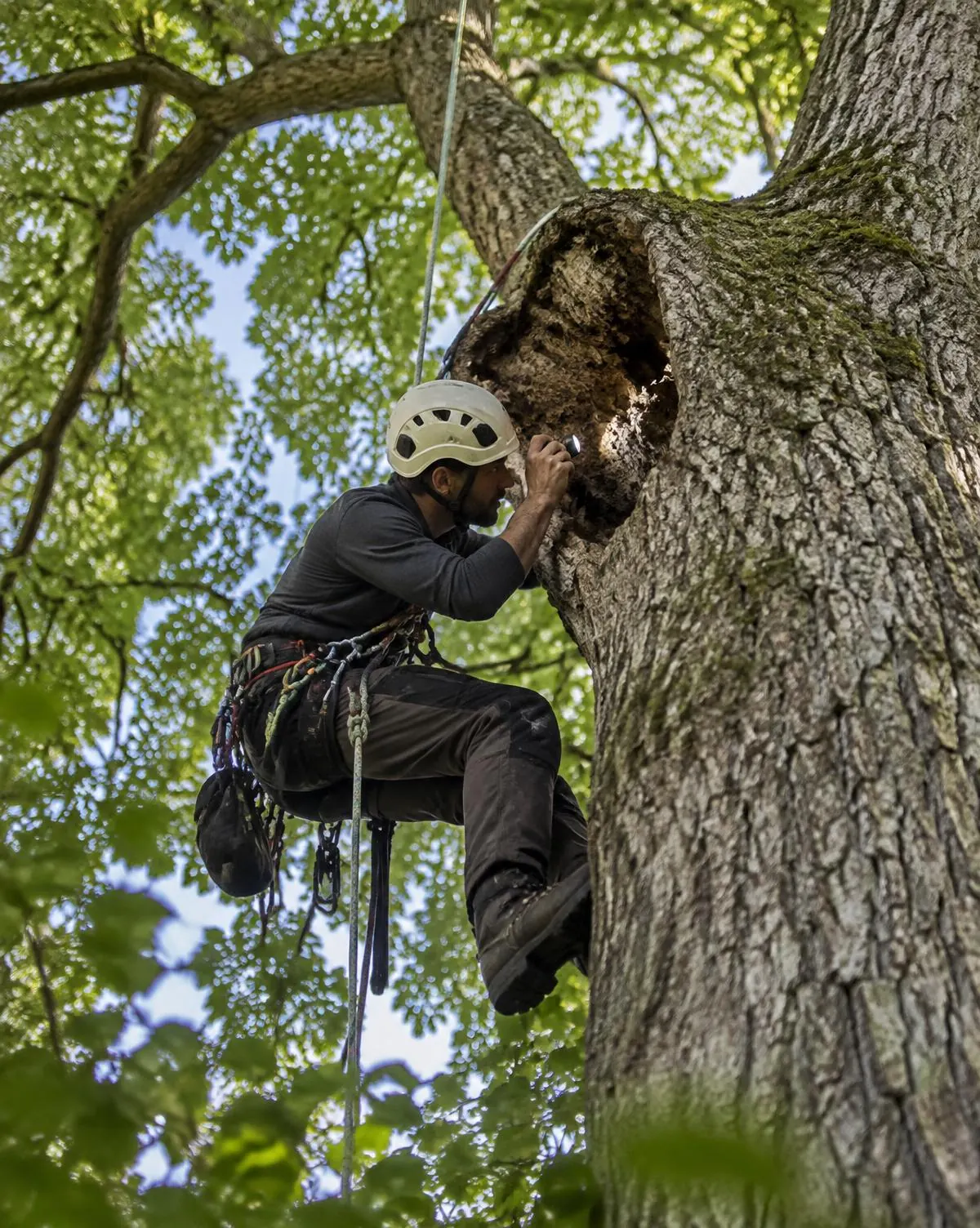
All UK bat species and their roosts are protected. It's an offence to damage or destroy a bat roost, even when bats aren't present at the time, or to disturb bats. Mature trees with cavities, cracks, woodpecker holes or loose bark can make ideal roosts.
If we find signs of a roost during an inspection, work that could affect it stops and a full ecological survey will be needed. Unless the roost can be lawfully relocated, the tree is likely to need to remain.
What this means for your project
- Plan hedge cutting and larger works outside the main nesting season where you can.
- Expect us to check for nests and roost features before we start.
- If wildlife is present, we'll explain the options and, where needed, the next steps with an ecologist.